Cullin Skink, the Most Delicious Fish Soup in the Whole Entire World

The Loch Ness Lodge Hotel and a cleaner's bum.
The Loch Ness Lodge Hotel and a cleaner’s bum.

If you ever happen to find yourself in the Scottish village of Drumnadrochit (population 813), I can tell you with authority that there is something better than catching a glimpse of Old Nessie, and that thing is getting yourself a bowl of Cullin Skink or smoked fish soup. For this serving of heaven you will have to make your way to the maddest, most eccentric hotel you will likely ever stay in in your days called – naturally – the Loch Ness Lodge Hotel. Being situated on the loch, and all. If you’re looking for a deeply, madly Scottish experience you won’t be disappointed. This hotel was surely decorated by leprechauns on speed and it’s completely fantastic (I know, leprechauns are Irish, but these ones were contracted in). What you get when you walk in is floor-to-ceiling tartan, 24/7 bagpipes and bedroom décor straight out of Alice in Wonderland. You also get door handles perfectly positioned for one of those leprechauns. In fact, we had to get on our knees to unlock the door. Needless to say, we were sold.
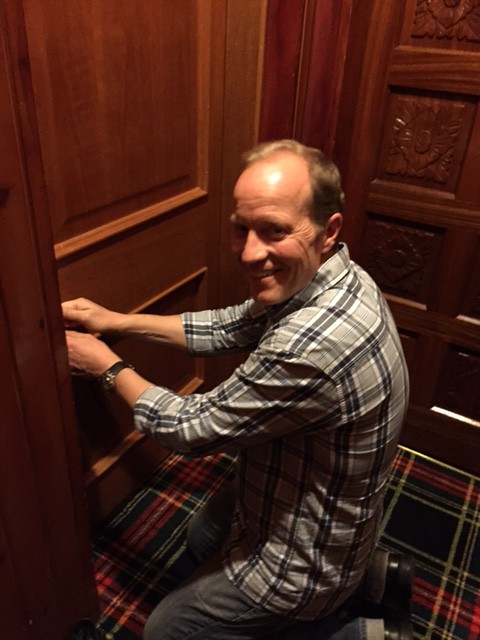
Unlocking the door to our hotel room.

We had no idea what a Cullin Skink was when it was at home in tartan pyjamas, but being pretty adventurous diners (we ate haggis and black pudding every day. Promise. Both are delicious) we wanted to eat the things we can’t get in Cape Town, and Cullin Skink certainly seemed to be that. What we didn’t know was that we would be struck silent by the mind-boggling deliciousness of this relatively unknown dish, talk about it for days and try to replicate it when we got home. What it is (said Google) is a soup consisting of smoked fish (any kind, but the Scottish version favours haddock), potatoes, leeks, dill, cream and butter. Just writing these words makes me drool. Imagine it’s really cold out (it wasn’t, but imagine it was), you’ve been Loch Nessing all day with barely an oat cake for sustenance (we’d been eating Pringles the whole drive down, sadly, but who knew that was on the menu?) you stumble inside and order a wee dram or three. You’re so hungry your bum’s nibbling the (tartan) seat and before you, like an angel, a waiter (who looks just like Spud from Trainspotting) brings you a bowl of this piping hot soup. It’s creamy, it’s smoky and it’s tasty as hell. I mean, a guy could sing an aria for the joy of it.

Very, very much tartan.
So much tartan of an afternoon.

So once we had scraped the last small droplet of remaining soup up with our fingers and gathered ourselves enough to speak we decided, then and there, that our mission in life would be to recreate this marvelous dish. Un-dyed Finnan haddock is not as easy to get in Green Point as it is in Drumnadrochit, but luckily the recipe assured us that any smoked white fish would do. So, off to the Waterfront City Market we went and bought this…
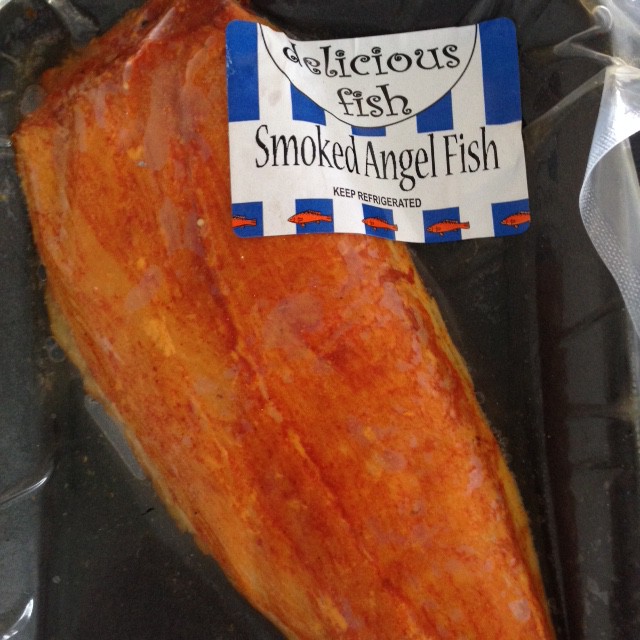
Smoked Angelfish from the Waterfront City Market because we're fancy like that, but any smoked white fish would do.
Smoked Angelfish from the Waterfront City Market because we like to pretend we’re fancy, but any smoked white fish will do.

…along with a large block of butter, cream and dill. We forgot the leeks, but decided large spring onions would have to do because the loser of paper-rock-scissors reneged on the deal (a-hem). The recipe said to simmer the fish in water with bay leaves till it was ‘cooked.’ A small discussion ensued around whether or not smoked fish qualifies as uncooked since it is, technically, cooked by the smoking. The loser of paper-rock-scissors lost that argument, too. Then, there was a discussion around when it was best to add the cream because some people in this house, even when they have never made a thing, feel that they still know more than the people who wrote the recipe. It went in at the end which I think was the right time. But enough about that.

Here is what you’ll need:

Ingredients:
Smoked white fish
A large yellow onion
Leeks (or overgrown spring onions)
Dill
A large carrot, finely chopped
2 Sticks of celery, finely chopped
5 Medium-sized potatoes, peeled and chopped into bite-sized pieces
Butter
A litre of full cream milk
A swirl of cream
Bay leaves
Fish stock or fish sauce or both

Method:
In a frying pan, cover the fish with the milk and two bay leaves and let it simmer gently for 10 minutes. In a large saucepan, sauté your onion in butter. Add your carrots, celery, potatoes and ‘leeks’ and schmoonk them around till they’re covered in butter. You might want to add more butter. Remove the fish from the milk and put the fish aside. Add the fishy milk to your saucepan together with a handful of dill and a splash of fish stock. Let it simmer until your potatoes are cooked. While they are cooking break the fish up into bite-sized pieces and remove any skin or bones. Let the soup thicken. Add a drizzle of cream and the fish. Let the flavours make friends for a few minutes and then add salt and pepper to taste. Serve very hot with bread and if you’re impressing people, parsley.
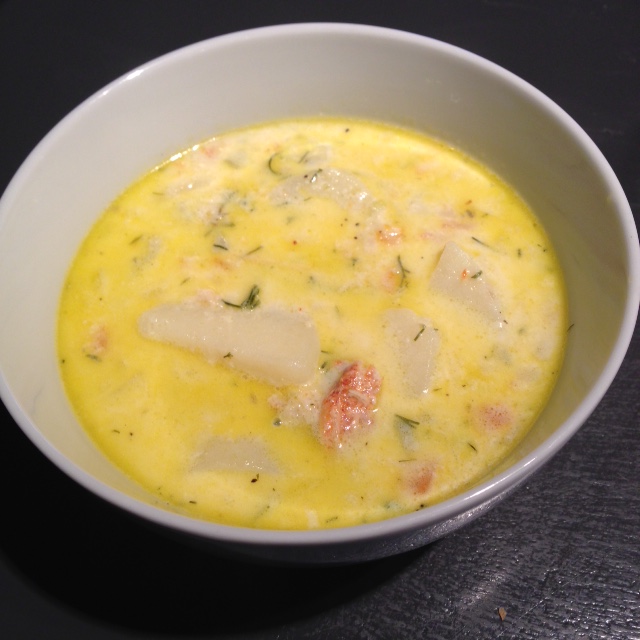
Cullin Skink. Ta da!

I feared making this dish at home would be a bit like Swedish herring which tastes amazing at a midsummer party with a maypole and schnapps but kind of wrong when eaten in Cape Town, but this soup was actually almost better than the one we had in Scotland. And super easy and super quick. You use a lot of butter so it’s pretty rich. I put the smallest amount of cream in because boiling the milk had made it separate slightly, but it’s not really necessary. Traditional recipes don’t include the celery and carrot, but I like my soup to have a bit of sweetness and I thought their inclusion improved the flavour. Lastly, I added a Knorr fish stock sachet thing. I couldn’t really taste it so I added a bit of fish sauce. I think it depends on how smoky your fish is. Have a spoonful and decide for yourself.

The hauntingly beautiful highlands.
The hauntingly beautiful Highlands. If you’re able to get there in this lifetime, do. If not, just make the soup.

On Affairs and How They Don’t Have to Mean the End of the World

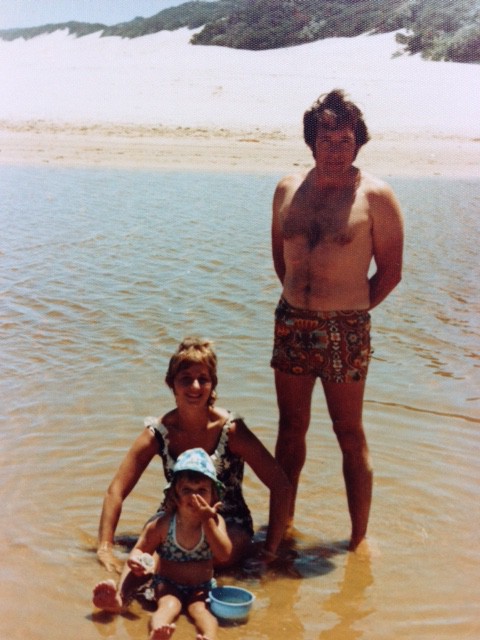
My mom and dad at Igoda, 15kms outside of East London, 1975.
My mom and dad with me at Igoda, 15kms outside of East London, 1975.

During a wintry season in my parents’ nearly 50-year-old marriage, my dad took it upon himself to have an affair. As a man incapable of telling a lie, it was conducted very openly with a pony-tailed, bottle-blonde ‘friend’ of the family, and while I was protected from knowing the details of what was going on, my memory is of him coming home from work, showering and leaving again, and of his uneaten plate of dinner which my mother would leave, covered in foil, on the Formica kitchen counter. When I was both old and young enough to adopt an attitude of protective indignation, I was angry at what I perceived to be the spinelessness of my beautiful, green-eyed, flawless-skinned mother. Why did she allow this to happen? Why did she meekly, weakly stand by while he came and went as he pleased?

It took me being married myself to appreciate the courage and strength it must have taken her to watch her husband’s car reverse out the driveway and hold it together enough that her young daughter remained oblivious to her pain, even while the scent of his Old Spice lingered in the hallway. And also to understand enough about the frustration and quiet dismay which is the flip side of the image we’re presented about marriage not to presume to judge him. And what she did, which I understand now, was also extremely clever. She didn’t make a scene and throw his clothes out the front door or show up where they were, demanding justice. She simply waited it out. In typically pragmatic Capricorn-style, she understood – like most affairs – that this one would more than likely run its course, and that by creating a fuss she would only make his mistress more appealing.

So, she left his plate of supper ready for him when he got home and carried on as normal. She also told his entire (large) family, who have always adored her, exactly where he was and what he was up to when they phoned for him. They were horrified and furious, and froze him out one by one. It was due to her single-minded determination not to lose her husband, the love of her life, that he came back before long and their marriage resumed as if none of it had ever happened. But it could have gone a different way. She did what she needed to do to hold on in that moment, and ultimately she got what she wanted. And the reason all of this has been on my mind is because I had a dream a month or so ago, while on holiday in Sweden, that my husband was having an affair and I remember, even through the deep emotional pain, having a distinct dream-thought: if you want him you can have him, you just have to wait this out. And the immediate follow-up question: but, do I have what it takes to do that?

Do I possess the emotional wherewithal; the purpose of mind, the mettle to stand by and watch and wait? When I was younger I believed I was a one-strike-and-you’re-out kind of girl. Now, 15 years into my relationship, I see the world as a much greyer kind of place. I know what marriage is and what it can do. That, while it’s wonderful and fulfilling on all the levels they promise, it also has the propensity for a loneliness more vast than any amount of singledom can match. That sometimes it’s unkind and deeply disappointing. That there’ll be moments where you’ll reel at the horrified realisation of what you got yourself into and how impossibly difficult it will be to get yourself out. And this is the kind of marriage where friends say, ‘how do you guys manage to stay so happy?’ And we are, very. Not a day goes by where I’m not grateful that I chose him as my life partner because he’s so many kinds of amazing. But that is the nature of the beast.

And it’s why I think I’ve amended my position on affairs. I don’t know that I would leave. I’m not convinced, anymore, that these moments of desperate connection with another human being are not entirely understandable, given our deep desire to be heard and seen and how much gets in the way of married people doing that for each other. Would some relatively meaningless dalliance on his part be sufficient reason for me to break up our children’s home? To put us all through the mind-boggling suffering and turmoil that comes with divorce? Is my ego really that big?

I don’t know the answer and, mercifully, I’ve not been put in that position. While I don’t think I could be the wife who covers a plate of savoury mince with foil, tucks her young daughter in bed and then waits by the window for his headlights to swing into view (unfortunately for my husband I suspect I’m more the throwing-the-clothes, stalking, psycho kind), what I realise now is that my mom is made of some strong stuff and that, ultimately, we are not all that different. I’m grateful she made the choice she did, and I’m sure my dad is, too. 30 years later they are happier and more in love than they’ve ever been, and my sister and I enjoyed the privilege of growing up in an unbroken home. I hope, if this ship ever veers off course, that one of us will be brave enough to grab the wheel and hold on tight till we’ve steered ourselves back to safety.

How Hard it is to Truly Be Okay with Yourself

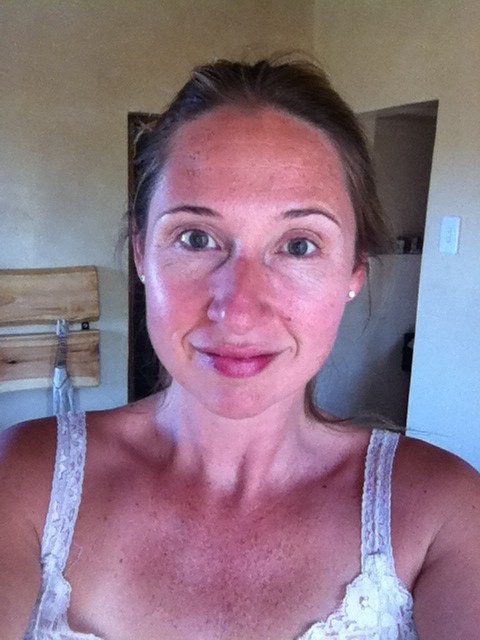
Me in Montagu. 43 years old, no makeup, no highlights, sun damage and laugh lines. It's okay. It's me in Montagu.
Me in Montagu. 43 years old, no makeup, no highlights, sun damage and laugh lines. It’s okay. It’s me in Montagu.

Some months ago we spent a few days in one of my favourite places in the world, a house high in the mountains outside the Karoo town of Montagu. I love it there because there is nothing to do but swim in the dam, go for walks, read, eat and sleep. I can’t get agitated on social media because there’s no signal and my partner, removed from email, can’t worry about work. So we drink wine and make fires and sit long under the stars and our children are happy and it’s heaven. On our first evening there we came back from a late-afternoon dip and, as the shadows of the pines starting getting long and it was time for that first glass of wine I put on a sweater, went into the bathroom and automatically reached for my lip-liner. Because we were going to have drinks and snacks and chat and admire the view. Because I had been in the water and my makeup had washed off. Because… I’m a girl and if I don’t look pretty? Well, that’s a problem. I saw my reflection in the mirror, a woman of 43 with two children and a career and opinions and a brain and I looked away, out the window, at the trees and the big, blue mountain and I thought what the fuck am I doing?

Here I am in a remote holiday house with my husband and two daughters – the people who know and love and get me better than anyone in all the world – and I’m putting on makeup? It was a strange and sad moment where all the terrible, messed up messages I have internalised during my years on this earth hit me in my gut. I put the lip-liner back and went outside and looked out over the beautiful valley and tried to remember the incidences in my life that had led me to believe so doggedly in my own unworthiness. And how, in this world, I was going to save my daughters from the same fate. I remembered the earliest message where, compared to my cousin of the same age, I was labelled by family members as the ‘clever one.’ And, as any girl will know, you don’t want to be the clever one.

I remembered, many years later, a boy I was desperately in love with telling my best friend at the time he didn’t like me anymore because I was ‘fat’. I was 15 at the time and while I was never skinny, when I look at pictures of myself at that age I was definitely not fat. Still – I was mortified and ashamed, and it was the first time I have a clear memory of declaring war on my body – reading up on diets; taking small green slimming pills that made my heart race; sprinkling artificial sweetener on my All Bran Flakes and weighing myself every day. The idea that there was something wrong with me had taken root in my unconscious mind, and this belief would become more pronounced as time went by.

And, while I have learnt a lot in my time on earth, this is one thing I don’t really know how to change. How do you unlearn the negative messages that have been reinforced your whole life long? How do you decide you’ve had enough of this nonsense and you’re going to accept yourself just as you are – if not for yourself than for the amazing, clever girl children you’re preparing to send into the world? I read something once that posed the simple question: ‘when will you be thin enough?’ and I wept. A while back a girlfriend said something to me that was very scary and very true. She said, ‘your children don’t watch you with their eyes; they watch you with their whole being.’ I can tell my daughters what I think – propagate feminist values; go on about women’s rights; insist that no matter what they look like they are important and they have value, but when they see me unhappy because my jeans are tight; when they watch me eat salad while everyone else has pasta – all the words amount to nothing.

Last week my 8-year-old brought her school photos home. I could see she was unhappy. She sat beside me on the couch in silence and I let her be until I saw the big tears running down her cheeks. It took a while for her to admit that she was crying because one of her school friends had said she was fat and now that she looked at the photos of herself, she knew that it was true. I turned the TV off and I asked her sister to give us a few minutes alone. I didn’t really know what to say, to be honest. It was one of those parenting moments when you want to go, ‘hey, you know that manual? Now would be a good time.’

I opened the iPad and showed her pictures of herself taken at a recent ballet eisteddfod. I asked her what she thought of that little girl in the pictures. We found more pics, holiday snaps taken on the beach. I asked her if she agreed with what her friend had said. My daughter is little; there is no fat on her body. She had to concede that what had been said to her might not, after all, have been true. And then we talked about the fact that everybody is different. Some people are shorter, others are tall, some have dark hair and some are blonde, and some people will be heavier while others are lighter, and that the way you look has no bearing on who you are. I reminded her of the importance of always being kind and remembering that the outside of people says nothing about the inside. And she cheered up and started smiling again and we went and made hot chocolate, but it was a sobering moment which made me wonder, in spite of my best efforts, if I have failed miserably at my job.

Because the truth is, while I’ll order the Hunga Busta burger, throw back beer like the best of them and roll my eyes at women who succumb to cosmetic surgery, that’s only part of me. There’s another part, and one I’m not proud of, that looks at herself in a bikini and feels dismay. That has to beat down the guilt of devouring an XL portion of fish and chips on a Sunday in Kalk Bay. That secretly, while planning a holiday, determines to lose 3kgs so I can wear all the clothes I like. And who is very much a product of her environment. And what if it’s that version my daughters really see? How do I project an image of okayness when it’s not something I always feel?

But then, more than projecting a Stepford Wives-type image of perfection (which I could never achieve anyway) I’ve always been a firm believer in leveling with your kids and being honest no matter what. I mean, they see through your lies anyway. Could it be that there is room for ambiguity and contradiction in this ongoing conversation? After all, little about life is simple. Maybe if we keep talking and I ask them the right questions their (really awesome and strong) sense of themselves will be their lifeline when society tells that them the way they are is wrong. And maybe – this is my hope, anyway – because of the way they’ve been raised, they’ll be better equipped than I was to bounce back from the blows their self-esteem will suffer. For me, all I can do is put the makeup bag down, take a deep breath and go hang with the people who love me.

On Coming to Terms with Our Arseholery

sa flag 4
Nobody wants to think of themselves as being a bad person. Bad people are ISIS fighters, child molesters, Shrien Dewani. They do horrible things which are blatant and obvious and talked about in the media. But in the last few months I have found myself in spaces where I’ve had to take a long and careful look at who I am in the world, the attitudes that have formed me and how I conduct myself in certain situations. And to say that it’s been an uncomfortable awakening is an understatement. Because many of you who follow my blog know that I’m relatively outspoken about race issues in this country. I have strong feelings about the socio-economic disparities and the white attitudes that feed them, and while I sit behind my computer screen in my nice study on the Atlantic Seaboard it’s easy to wax lyrical about egalitarianism and the way things ‘should’ be in SA. When I write these words, which I wholeheartedly mean, I can nonetheless distance myself a little bit from the ‘racists’ out there; convince myself that I am better than they are.

But the truth is I’m not. I am as guilty as the man who went up to my neighbour’s friend who was recently walking in a supermarket with his newly adopted baby and said, ‘oh look, a special little kaffir.’ The other man who asked a couple who have adopted two HIV positive children of four and six why they are ‘wasting their time.’ The inhabitants of the shop in the town of Oudtshoorn who openly snubbed our white friends because they walked in with their black baby daughter. I could go on and go – there are so many incidents of this kind of thing that happen all the time in this country. But there’s another thing too, and it’s this that I’m guilty of. The white arrogance and sense of entitlement that follows us wherever we go and is so ingrained we aren’t even aware of it. It’s the tone we adopt when the black teller is taking too long to ring up our goods (my ‘madam’ voice). It’s the secret panic when the pilot is black. It’s the us-and-them way we were taught, from the youngest age, to divide the world. This stuff is in our DNA, and the more we deny it, the less chance we have of making it go away.

I regularly hear white South Africans say the most outlandish things: ‘It’s just a pity when it’s the blacks turning on the blacks’. Blacks who? What homogenous entity are we referring to? My char? The heart surgeon at Grootte Schuur? Oprah? What does the council guy who comes to my door asking for R5 for his daughter’s netball tournament have in common with President Zuma? I can tell you: fucking nothing. I have more in common with Zuma than he does. We are both middle class South Africans with a big, fat sense of entitlement. Or, they say: ‘I’m not interested in politics and race relations.’ Oh, you aren’t? Could that be because you have a big house with a lawn and two cars and eat out a few times a week and go to Bali for Christmas? How lovely for you that you’re privileged enough to be apolitical. And for me. And for all of us who live lives of charm and delight, tweeting about SONA over a second bottle of Beaumont Shiraz because fuck sakes, this country is surely going up in flames in five minutes. Please pass the dip.

I don’t mean to be unfair and beat up on white people. Some of my best friends are white. We are all just human beings doing our best in a political situation which scares us to the very marrow. We love this country and – with good reason – are terrified of what the ANC is getting away with; what this recent malarkey means in terms of our constitution and our future. But we all need to do a big, fat audit of our attitudes and the racism we hide even from ourselves. We need to remind ourselves, daily, that our disappointment in our government has nothing to do with the countless black people in South Africa just trying to get by in a country where the structures of apartheid make basic survival a daily struggle. The legislative bit of apartheid might have ended 20 years ago, but it is not white people living in cardboard boxes beside the highway. For those countless people, apartheid is alive and well – only they have no hope of anything ever changing. For them, the cycle of poverty is as entrenched and ongoing as it’s ever been.

Let us make a point of remembering how incredibly privileged and lucky we are to live the lives we do in this extraordinarily beautiful part of the planet. Let’s stop sitting by passively and moaning to each other over skinny lattes about how messed up everything is. We – the ones who enjoy economic power as a birthright – must start speaking up for those who have no voice. And it starts with admitting our racism to ourselves and becoming acutely aware of how it plays out in the day-to-day; how, on subtle levels, it keeps the status quo in place because thoughts lead to words which lead to actions. Truth be told, we can be a stupid, obtuse tribe of people. The other day a young woman who belongs to the Neighbourhood Watch group I had to leave because of comments like hers said, ‘This whole black issue is such a crock.’ I mulled over her comment for days, and in the end I didn’t have enough words for that level of ignorance and myopia. And the saddest thing of all was that everyone agreed.

So, I propose this for each one of us who grew up during apartheid or at any point in this socially and economically segregated society and has been rendered a little bit mad as a result: we need to stand in front of a mirror, look ourselves in the eye and say, ‘I am a racist.’ Then we need to make a daily decision that we are going to challenge these stupid, retrogressive views which are based on nothing but ignorance and fear. In whatever small capacity we can we need to counter our arseholedom by doing selfless things, spreading goodwill and taking the hand of friendship black South Africa – against all odds and to my ongoing astonishment – holds out to us, its arrogant oppressors. Because we have the power to do so much good if we can look up from our iPads long enough.

The morning after the State of the Nation address I went to Clicks Pharmacy to buy Panados for the red wine I’d gulped down when the sound went off for the seventh time. I asked the (black) woman who was ringing up my things if she had watched the madness the previous night. She had. She started telling me how angry and disappointed she was in our government. Her colleague joined in the conversation. Their voices grew so loud a small crowd gathered to hear what they were saying, and they were much more radical in their condemnation of the ANC than I dare to be. They went on for such a long time I almost regretted asking, but it was a very important reminder for me – and I suspect for all the white people who stood there, listening – that we are on the same side. We all want fairness and accountability by the government and a president who is a leader and not a crook. We all want to live in a country where our children’s futures are secure. Let’s do what we can to stop the divisiveness that’s growing in our society like a cancer, and the first step towards achieving that is taking a long, hard look at ourselves.

Just Eat the Effing Sandwich

Possibly the best (effing) sandwich I've ever had in my days - toasted ciabatta with crispy bacon, avo, melted brie and caramelised onions. It was from Motherland Coffee in St George's Mall. I still think about it.
Possibly the best (effing) sandwich I’ve ever had in my days – toasted ciabatta with crispy bacon, avo, melted brie and caramelized onions. It was from Motherland Coffee in St George’s Mall. I still think about it.

Before I sat down at my computer right now I made myself a sandwich. As in, put things between two slices of thick, fresh bread (real mayo, cheddar cheese, cucumber, tomato, rocket and a bit of chutney, if you want to know), and not flaxseed ‘bread’ or cauliflower ‘bread’ or ‘bread’ made from dried, ground psyllium husks (what the hell is that anyway?), but the kind we used to eat back in the day made from wheat and yeast. Pretty retro, huh? And while I actually sat down to work on something else entirely, the strangeness of sitting down to eat a real-life sandwich struck me enough that I changed my plan and started writing about that instead.

Because the thing is, three months ago this sandwich would have made me quake. I mean, it’s a carb, for the love of god, and everyone knows carbs are very, very bad. Very. And believing this to be true, I would have substituted the best part for, well, anything. More lettuce. Seeds. Those psyllium husks. Anything but eating the bread part of that meal because if I did I believed I’d basically be obese or dead or both within the week. But bacon was fine. Oh, chow down, sister. Bacon’s not a carb. Neither is chicken skin or steak or butter or coconut oil. All of these things? Hunky damn dory. But a slice of melba toast? Well, you might as well go in a dark room and mainline arsenic.

And I don’t know, in this age of information, how we human beings can still be so stupid. Okay, maybe stupid is harsh, but why we fall so enthusiastically, so uncritically for these fads and trends instead of just using our noggins and good, old-fashioned common sense. And I totally include myself in the idiocy because I have done every. One. Of. These. Diets. Looking, as I was, for the holy grail of eating – the key, the trick that would let me stop fighting with food and therefore myself. And I ate the eggs and forewent the toast (so yuck, right?) and turned down the banana in favour of the smoked sausage. I mean, does any part of turning down a banana make sense? Potassium. Fibre. Nature’s own pre-packaged snack food. Perfect. A lot perfect-er than that piece of processed meat.

Because actually sitting down to an entire sheep at one sitting is not okay just because you skipped the mash. Putting butter on your 500 gram T-bone isn’t fine because you had spinach instead of chips. It’s greedy and it’s stupid and it’s killing the planet. Do we even think about what it costs in energy terms to get that cow onto our plates? And putting that amount of fat and protein into our bodies just can’t be healthy. I refuse to believe it is. It’s one of those cases of if it sounds too good to be true, it more than likely is.

I’m not a dietician, but I write about food and think about food and eat food a lot. And, because it’s something that interests me, I read books about nutrition and talk to people who are dieticians and doctors and have made it their life work to help us be healthy and when I ask them what they think of Banting and LCHF the sensible ones shake their heads in collective despair. For sure, no question we were eating too much grain (thank you, marketing campaigns of the 90s). We don’t need all that wheat and rye and barley and the kak that gets added to it. But removing all carbs is extreme and counter-intuitive and, frankly, cray. There is no way a sandwich filled with avo and salad is worse for you than a three egg omelette with bacon and a half kilo of cheese. Or that the fat of the (probably hormone fed) steak is better for your body than a nutrition-packed sweet potato. It just doesn’t make sense.

The other day I was chatting to a restaurateur friend of many years – someone who runs a few of the most successful eateries in Cape Town, and who’s made a very good career out of feeding people. And we talked about trends and food fads and the future, he told me something that made so much sense. He said, on the way out are the days where people will sit down and gorge themselves on a huge piece of steak and this is because we are becoming more mindful of what meat really is and where it comes from. We want to know it’s from a reputable farm where the animals are treated humanely and not pumped full of drugs and rubbish. Quality is replacing quantity, and it’s about damn time.

Contrary to the greed that permeates our food culture now and has for some time, we human beings seem to slowly be gaining respect for the fact that an animal lost its life so we can have those pork chops for supper. And, what’s more, restaurant patrons of the future will be presented with a ‘Provenance Bible’ where they can see exactly where the food they are ordering was sourced – the meat, the fish, the eggs, the vegetables, the cheese. Transparency will become de rigueur and, with it, accountability and a growing interest in and awareness of what we are putting into our bodies.

And with that philosophy guiding us hopefully soon we’ll start to pare down; reduce our portions; order one plate of meat and share it amongst the table. In his words, we’ll go back to eating like our grandparents did – not endless sandwiches made from cheap government loaf, but a few slices of good bread baked with organic flour and natural ingredients, savoured and eaten in moderation. Fresh fruit and vegetables we’ve grown ourselves or bought at a market served raw or lightly seared. Fruit, nuts, home-made butter, organic olive oil. Happy food that our bodies recognise and know what to do with.

It’s okay to eat potatoes now and then. Few things in the universe are more delicious than a French fry. Just remember that they’re high in energy so don’t eat more than you’re going to expend. Have the odd plate of pasta. My god, it’s good for the soul. But mostly eat salad. Eat the stuff that comes in the best colours (not smarties). A little bit of meat now and again when you feel your body needs it. Because it’s not about how to get as much food down our throats as we can get away with and still look good in low-cut jeans. It’s about eating gently and living gently. And looking after ourselves and our environment. And saying no to factory farming – not supporting those mofos because it’s really not okay, the suffering that goes on there and that we all collectively condone.

So, having after immersed myself wholeheartedly in the madness of diets and weird eating trends for the past twenty years and having learnt many things from that experience, the ultimate conclusion I’ve come to is this: eat meat a little bit, but let it be special; a treat. Aim for a diet that’s simple and light on the body (and the soul). And when it comes to food (and life), practice mindfulness and humility. Stop all this radicalism and the weird, self-imposed rules like taking the freaking croutons out of the Caesar salad. They’re the best part. Banting gets it right-er because it’s about going back to basics, turning away from processed stuff and incorporating a bit of fat. But it’s too extreme. Cauliflower is not the truth and the light. There’s a middle road that I think we’ll get to when all this hype dies down. And what I’ve learnt from all of it is to eat the effing sandwich.

Get off Facebook and Talk to the Petrol Attendant Guy

While apartheid ostensibly ended two decades ago, you’d have to be in all kinds of denial not to see how apartly (made-up word) black and white people still live, and it’s a phenomenon I alternately accept with a kind of soul-weary resignation and then sometimes regale against with all my heart because the fact that we don’t talk to each other lies at the very heart of this country’s ongoing problems. But because of this reality – my age, where I live, where my kids go to school – the only black people I encounter on a day-to-day basis are the ones at the supermarket checkout, the one bringing me my Americano and the guy filling my car up with unleaded. So, when I’m not feeling that I-can-t-make-a-fucking-difference-here-so-I’m-not-even-going-to-try feeling (usually brought on by reading the paper), I’m trying a new thing which is talking to every black person I get a chance to talk to.

Sometimes it will be the woman with the great weave at Sea Point Pick n Pay (there’s this drop dead gorgeous woman who sits there all day ringing up groceries and every day she is so glamorous and perfectly groomed she makes me feel like the bag lady); sometimes it will be the parking attendant – though, less often him, because I’m usually rushing somewhere – and often it’s the petrol attendant guy because he’s standing around, anyway, and you’re sitting there waiting will a few minutes to kill, and what I’ve discovered since doing that is that these micro conversations have probably changed the way I understand how people are feeling in this country.

The first time I did it was when Madiba was very sick and it felt like nobody was telling us the truth about what was going on and for weeks I was distressed and vaguely ill-at-ease. In the context of that shared tragedy it felt less weird to engage a complete stranger, and I put my skaamness about being white and in a fancy Swedish car aside and asked the guy what he thought of the whole thing. I don’t remember what he said, but I remember him telling me his family was from around the Qunu area and, as a young boy, he knew of the Mandela clan and was going there in the next while to pay his respects. Just hearing that was comforting. We shook hands awkwardly – me doing the formal thing, him doing that hand-clasp thing I’ve never quite grasped – but that part didn’t matter. We were just two grieving South Africans.

This week the guy I spoke to works in Green Point and, it as it transpires, he is from East London where I was born and my parents both grew up which means it’s a special part of the world for me and with anyone who comes from the Eastern Cape I feel an instant kinship. His name was Dumisani, and this is how our conversation went:

Me: Oh, wow, I haven’t been back to East London for many years, but I want to go soon. I want to take my mom and dad back.

Him: You’ll be surprised at what you find. It’s not like it used to be. I go back to visit my sister and when you come from Cape Town it’s like arriving in a different country.

Me: Ja, I hear that.

Him: I can’t understand, when people see how badly an area is being governed, they’ll still vote ANC. Look at what the DA does for Cape Town.

Me: Ja, but we’re still in transition. This stuff takes time. People vote for a party, not an individual. You can’t expect black people to vote for a white party.

Him: No. It’s been twenty years now. People need to wake up. The time of thinking like that is over. Who is serving you? Who is making your life better? These are the only issues that matter. I struggle. I do. But I’m providing for my kids, and they won’t struggle like I do. Their lives will be different. I’m teaching them to ask questions. When they vote it won’t be about what’s black and what’s white, it will be about what’s good and what’s right.

I didn’t really have much to say after that, but I thought about our conversation and I repeated it to my parents that evening over supper. Because we all still maintain this myth that there is an ‘us’ and a ‘them’, and all the time, when I can be bothered to pay attention, I’m reminded that there is just an ‘us.’ If this ship goes down, it’s the under-classes who drown first. We whiteys can still weasel a passport to New Zealand. Dumisani? Not so much. I don’t know this man from Adam, but I can tell you that he’s smart and hard-working and doing everything in his power to make a better South Africa for his family. Unfortunately, his ceiling of opportunity was low and standing around all day washing people’s windscreens was one of the few jobs he was able to get. But he does it with pride and enthusiasm and he has a plan and a purpose and I drove away humbled and with great admiration for that kind of can-do attitude. Because, god knows, we in our nice cars like to whinge.

So, the point, I guess, is that all around us all time are these little windows of opportunity for us to engage and get to know one another a little bit better. It’s just about putting your phone down and taking them. They’re there. And the thing is it’s me who drives away feeling better, feeling more connected and more hopeful about the future. Less of a stranger in my own country. I’m going to try to do it more often.

Café Manhattan

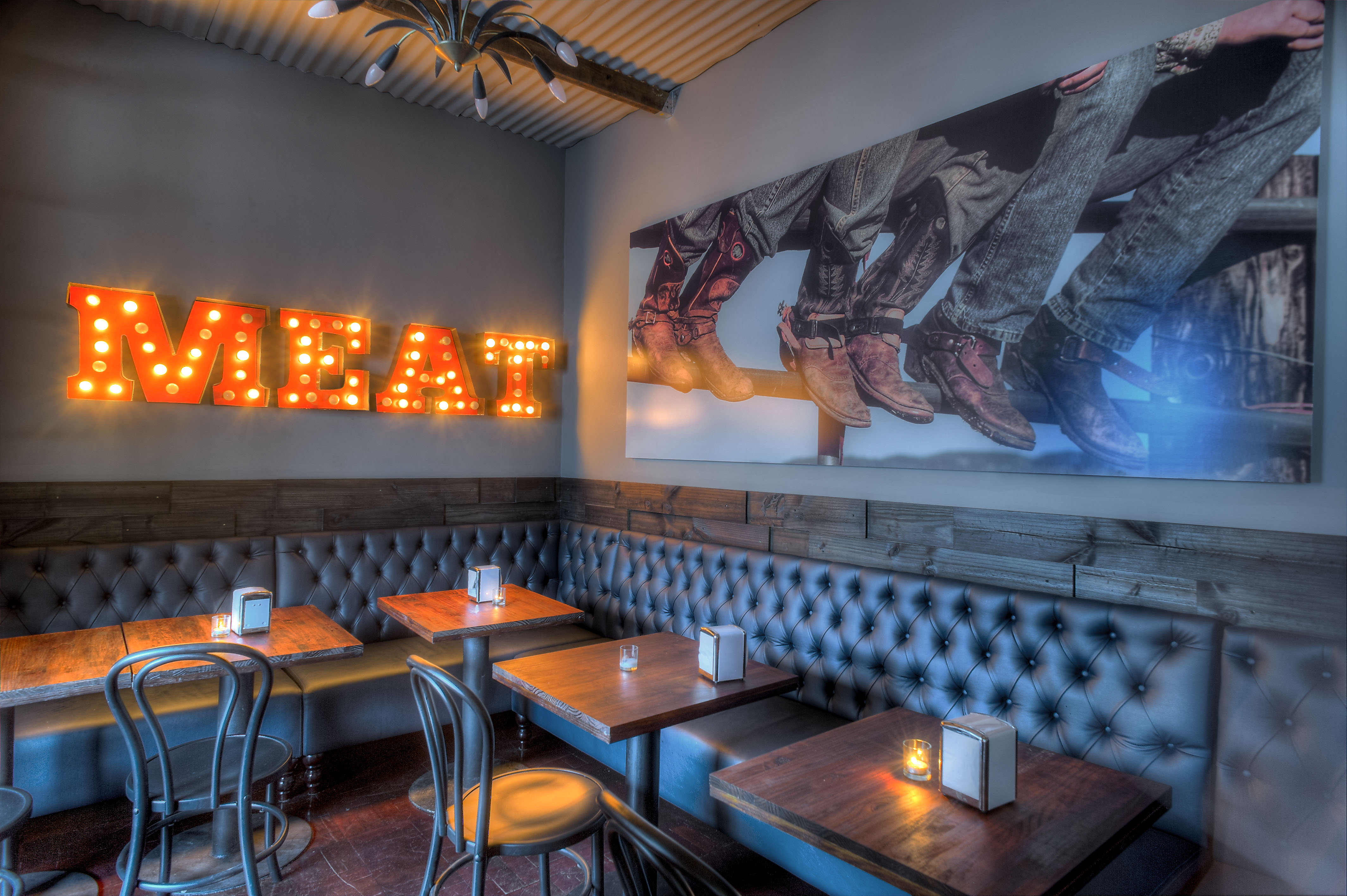
cafe manhattan meat

I know a restaurant is my kind of place when the waiter shows you to your table, hands you your menu and asks you if you’d like a tequila. A tequila? At dinner, washed down with chardonnay? Obviously. Despite the fact that it’s a veritable stone’s throw from my house and an establishment frequented by many of my friends, somehow I’d never made it to dinner at Café Manhattan in De Waterkant. Which I realise, now, has been a big oversight on my part because it’s the kind of place you walk into, weary to the bone and bored senseless with the monotony of parenting and you remember, with stunning clarity, that you’re actually an adult who very much likes adult conversation and also wearing a leather pant and throwing back the odd shooter. In that order.

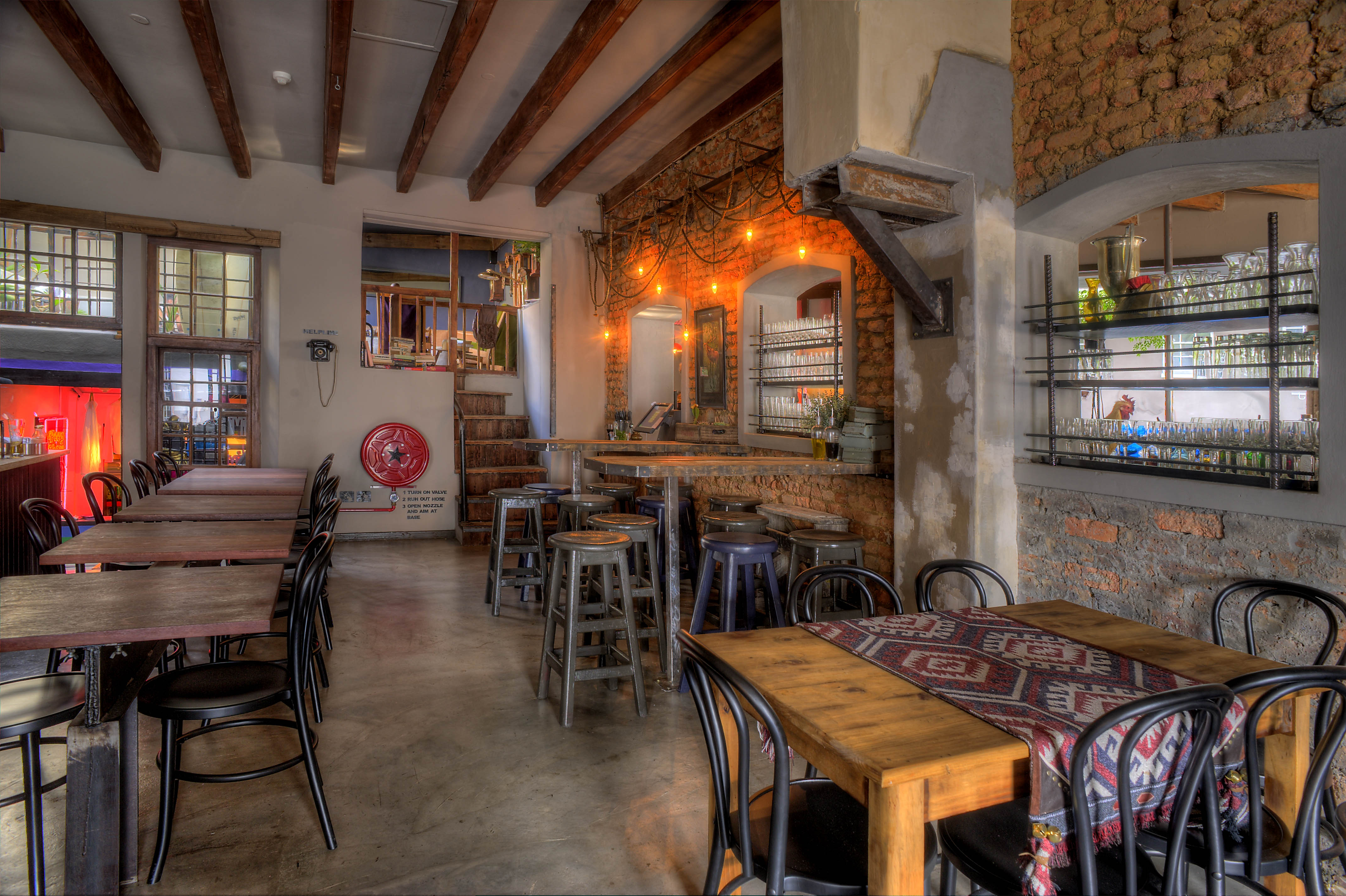
Within five minutes I’d cheered up so much I was barely recognisable to myself, and the evening was a joyful series of hurrah moments as I remembered important things like: I love that Cape Town has a gay district, and that I live a few blocks away from it; I love going out on a Friday night to places where children aren’t allowed, and I love talking to my husband while being plied with cold white wine and admiring the stylish, beautifully groomed young men who frequent this sexy eatery. The music is funky, but not obtrusive; the lighting is low but not seedy, and the service is friendly and attentive without you ever feeling harassed. And the prices are really, really reasonable. In fact, the burgers (which are huge and amazing) are cheaper than the ones we have when we go to that other place which does allow children. You know where I mean.

cafe manhattan inside view

Anyhow. I was in an American kind of mood, so to start I ordered the corn and Arborio sliders which come on a generous serving of tasty roast vegetables (v. yum indeed), and Per had the salt and pepper squid. Both were delicious. Then, I had a very hard time because I almost never order the chicken in restaurants – it feels like such a naff, fence-sitty thing to do, and anyway, chicken is lunch – but this one I couldn’t resist the sound of, being buttermilk-soaked, coated in Texan spices and deep-fried, Southern-style. The portion is so big (think KFC’s family bucket) even greedy guts me could only manage half. Only order this dish if you walked here from Kimberley. Then again, it would probably be very nice with mayo on government loaf the next day.

Per had a T-bone with two sauces since he was having commitment issues – chocolate chilli and chimichurri which is an Argentinian thing made of parsley, garlic, olive oil, oregano and vinegar and goes very nicely on beef and also on double-fried chips and onion rings and vegetables and your finger. (Personally, I would have gone for the triple cheese or the smokey chipotle, but I only get to boss him around so much before he tells me to settle down and face the front).

By the time we were done we were too full to speak, but had to try one of the fun milkshake flavours for dessert. He voted for chocolate brownie, but since I was writing the review that was vetoed immediately and we had the apple and cinnamon (you can also have peanut butter and marshmallow and lemon meringue – yum) and it was completely divine, served with a dollop of apple pie and two spoons. They also do fun and unusual-for-SA things like root beer floats, soft shell crab and pumpkin pie, but those delights I had to leave for another day. If it’s been a long time since you had a decent conversation with your partner or it’s been a stupid week at work or life is just unimpressing you hugely, comfort food in a cheerful setting goes a long way towards making the world bearable again. Pull in, order the fries and say yes to the tequila. You’ll walk out a new man.

cafe manhattan outside view

Café Manhattan is on 74 Waterkant Street, De Waterkant. Call them 021 421 6666 or check out their website http://www.manhattan.co.za/. They’re open for breakfast, and have a special Steak Knife Tuesday for when the weekend got really fun. The pavement tables are also good for an after work cocktail or seven.

The Unbearable Lightness of Sweden

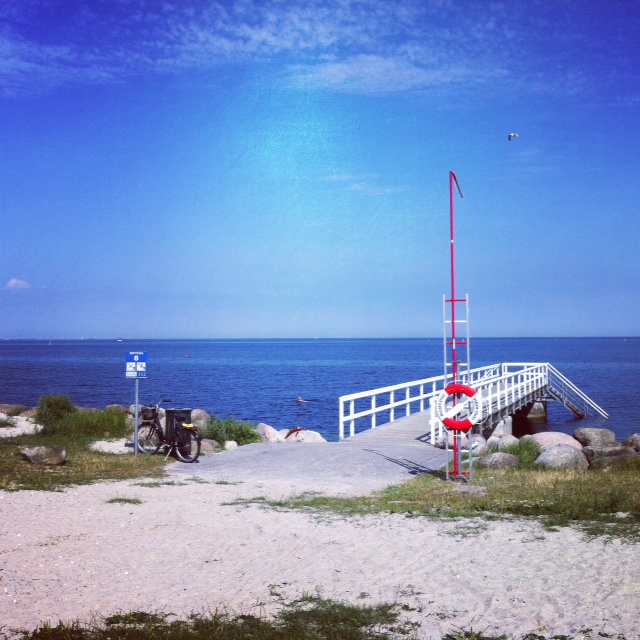
pic of sweden sea

One of the more interesting lessons I learned about living abroad is that, no matter what your experience of the country in question, it claims a portion of your soul and becomes a part of who you are so that, when I don’t make it back to northern Europe for a few years, I start longing for things I never knew I loved – the smell of snow moments before its dry flakes appear in the sky; a sun that’s too lazy to move from the horizon but instead waits distractedly for clouds to hide its face; forests so thickly green they retain centuries of rain. And as we cross the Öresund Bridge from Denmark into Southern Sweden it doesn’t feel like coming home, exactly, but the feeling is one of warmth and familiarity; kind of like putting on a favourite sweater or a thick, comfortable pair of socks. And driving through familiar suburbs I remember days and moments and feelings and a time where I was lost and had to look for myself in foreign-sounding parks and on streets and squares where my feet clocked endless miles as I walked in search of direction and meaning in a city I’d never heard of until, by chance, I found myself living there with a man who had somehow become my husband and children who – bizarrely – belonged to me.

And on this recent trip to midsummer Malmö I was made aware of something else, too – how lightly people live in this stylish, wealthy part of the planet. In a place where everybody has everything one is allowed the luxury of believing human beings to be inherently kind and inherently good. The world up there is gentle, and while it’s not without its problems, life makes sense and justice – for the most part – is a concrete, dependable concept. Behind triple-glazed windows its citizens are shielded from some of the harsher realities of the world; facts of life we South Africans are not at liberty to ignore because they knock on the windows of our cars while we wait for the lights to change and huddle under blankets in doorways through the wet Cape winter. And – especially as I grow older, less certain and more acutely aware of the contingency of life and how, at any moment, everything I love could be taken from me – I understand the seductiveness and the temptation of leaving this school of hard knocks with its illogicality and relentless sunshine to merge, instead, with the soft greyness of Europe or elsewhere; to live in a place which cares for its people; where you aren’t looking over your shoulder all the time and it’s not always a pleasant surprise that your car is where you left it.

I understand in a way I didn’t before why people make this choice, and in a way I envy their ability to leave and put Africa behind them because, God knows, there are places to spend your days that are easier on the psyche. Where not everything is political; where at any given moment you are not wondering when the house of cards will come crashing down; justifying your (obviously sado-masochistic) decision to return when you could have left for good. And as I swam in Sweden’s warm, clean ocean where the scariest thing I might encounter is a pair of beautifully groomed swans and cycled through greenly manicured parks where the flowers are changed along with the season I wondered to myself why I couldn’t find peace in the wonderful peacefulness of this place; why – like so many others have done – I couldn’t surrender to its beauty and grace but had to fight so hard to return to a country I have no right to love as much as I do, nor will ever love me back.

And – truth be told – I didn’t want to go back to South Africa this time. I loved the summer sun, hotter than I’ve ever felt it; not like the burning spear sun of Africa, but like a thick, warm blanket, both delicious and a little too heavy; I reveled in the long, sultry, champagne and salmon-filled evenings and the sophistication of the supermarkets and the cleanliness and how courteously people drive and how you can cycle everywhere and how good the water tastes and that soon it’ll be time for the annual round of crayfish parties and for picking mushrooms in the forest and the trees in the parks will be set alight with the colours of autumn. And yet I continued to experience a sense of mutedness; like swimming underwater or walking through thick fog. A feeling – for better or worse – of being somehow removed from reality. Like the ‘real’ world was happening elsewhere, on some other part of the globe. High Level Road as you drive towards Sea Point. And I suppose this is why – as much as those climes charm me – as I gazed out of the aeroplane window and saw the blue of the African sky and the ugly façade of Cape Town International Airport I felt unexpected tears prickling my eyes and, from nowhere, a sob rising in my chest. And for this reason, I guess, I am destined to stay here on this ship as it veers, off-course, into scarily unchartered waters and hope, like the rest of my kind, that somebody, somewhere will save us.

Five Things I’ve Learnt About Fannies

>Image

One of my favourite places in Sweden, Ribersborg kallbadhus.


If you want to get rid of body image-related fiemies in a quick way, a very good place to start is a Swedish sauna. And it’s one of the reasons, when I lived here, why I insisted on taking South African friends saunering – even when they would really rather have done just about anything else than walk around buck naked amongst foreign strangers. Because, let’s be honest, we grew up with some mightily messed up ideas about nudity and our bodies. When I was it school it was normal to go into the toilet cubicle to change for P.T. lest – God forbid – your peers got a glipse of your bits. Never mind the fact that we all had the same damn bits. It was also school policy to run random underwear checks (seriously, you couldn’t make this stuff up) to make sure the young women of the nasie had the requisite commitment to their country (or something) to wear the prescribed nylon broeks – in my high school these were maroon – which covered the tops of your thighs and went practically up to your navel. Because if you were voor-op-die-wa enough to wear Woolworths panties, for example, you were definitely on a slippery slope to moral decline, the kind which would end in an anarchy our country could ill afford.

So, we’d stand in a long line and someone (usually the P.T. teacher was given the unenviable task) would move down the line and lift our tunics to see which girls were committed members of the volk and which were contributing to South Africa’s moral decay. And amidst this Calvinist-inspired hysteria about the showing of skin, the only naked bodies we saw – aside from our parents whose privacy we regularly invaded – were the Scope girls with stars on their boobs and the odd, contraband porn movie from the seventies which was usually so grainy you could barely make out what anybody was doing. And it was from this deeply conservative upbringing that I arrived in Scandinavia and discovered the most interesting contradiction about this nation and ours. In South Africa, especially back in the day, it was quite acceptable to leave a party so drunk you had to walk with one eye closed, get in your car and drive home. It was also okay, at said party, to partake in any array of recreational drugs which – amongst certain friends, anyway – were used and exchanged freely. Sometimes it was as harmless as a joint, but I’ve been to a braai in deepest suburbia where caps of acid were offered on a saucer as if they were chips and dip until everyone was so high they stopped talking to each other and instead moved anxiously from room to room, in formation, like llamas.

But while this kind of heady licentiousness was kind of par for the course, don’t – whatever you do – take off your clothes. Because that’s bad. In Sweden, exactly the opposite norm prevails. While drinking even a little bit and driving is darkly frowned upon, and drugs are so bad they’re not even mentioned in polite company, you can feel free anytime to go starkers – and people do. Find yourself in town and suddenly the sun came out and you want to tan? Go for it! Discover you forgot to wear underwear that day? No problem! Nobody cares. And that’s the truth. And this is why the sauna experience is such an important reminder – especially for us women who manage to develop some very funny ideas about how we’re supposed to look – that bodies are just bodies, and while their shapes might differ, they are more alike than different. I remember the feeling of fear the first time my Swedish friend, Teresia, took me saunering, of having to strip down completely and walk across a sizeable changing room and into a sauna full of naked people. And then, when it got too hot, walking out with my bare bum facing everyone and strolling down a quay where, 50 metres away and in full view, naked men walked down their own quay and we all cooled off in the cold November sea before doing it all again.

And realising, with amazement, that I was the only one who felt uncomfortable. These women – old ones, young ones, bigger ones, smaller ones – were completely at ease with their physical selves. And nobody was perfect. Even the ones who were thin in clothes stripped down to reveal wobbly thighs, knock-knees and droopy boobs. But nobody cared. Nobody even looked. They chatted and laughed and sweated and swam and showered and lathered and bent down to pick up their water bottle without a moment’s self-consciousness. It was a beautiful thing to observe, and it changed the way I saw and felt about myself. Seeing these bodies in the cold light of day – zits on bums, stretched nipples, bony knees – reminded me that the perfection I demand of myself is unrealistic and unattainable, that nudity is not sexual, it’s just nude, and that there is a zone of self-acceptance you can enter if you choose. Not that I always get it right, but being amongst sisters who were that at ease with themselves meant that some of their togetherness rubbed off on me. I wanted to take the freedom I felt in that space and bottle it so that I could access it on days I felt iffy and like I didn’t quite make the grade. Instead, I will share some things I discovered which I think are important to know.

1. Most Women Have Outies…

Based on no scientific research whatsoever, I would say that less than 5% of women look like the ones in porn movies. So, please can we stop this insane trend towards standardising our fannies? There is no ‘right’ look. And, by the way, men don’t give a crap, they’re just happy to be allowed in.

2. …And Ordentlike Bushes

Ja, you get the odd landing strip but, for the most part, woman go au natural, true story. We’re bushy. A lot of us don’t even deal with the hair that creeps down the thighs. And while it’s not my best look, I think it’s fabulous that there are women who genuinely don’t care. So, while some of us walk around feeling slightly skaam about the fact that our lady topiary isn’t always as perfectly trimmed as it could be, it’s good to know that neither is anybody else’s. And anyway, who has the time?

3. At Some Point You Lose Your Pubes

The only Brazilians I encountered belonged to women in their sixties who didn’t really look like the type to be having crazy sex which led me to the assumption that the pubes went of their own free will. So, instead of waxing and shaving everything away, maybe we should enjoy the fact that we have hair down there. It means we’re not old. Yet.

 4. Fannies are Not Beautiful (and that’s okay)

 Neither are the bodies they’re attached to. Real bodies have bumps and stretch-marks; remove the Spanx and the Wonderbras and women have pot-bellies and hips and boobs that go south. Its okay. Life is not a freaking beauty pageant. And the people we try to emulate, the actresses and the models, are amongst the saddest, most messed up people alive. Let’s be strong and healthy and do fun, interesting things rather than worrying whether one labia minora might or might not be slightly longer than the other. It’s not what you’re going to think about on your death-bed which means it’s not important so don’t think about it now.

5. Fannies are like Feet

They differ from each other, but less than you’d expect. And when you see them a few inches away from your face they’re much less mysterious than we’re led to believe. They’re just a part of our bodies, and while they are used for sex it’s not like we have sex all the time. Mostly we just put them in undies and go do the grocery shopping. So let’s stop fixating, be happy we have one that works and get on with our lives.


Truth Coffee and Truth Generally

truth sign pic

When you’re told a coffee shop is the best coffee shop in the world and that coffee shop is not in New York or Berlin or Copenhagen but in Buitenkant Street, Cape Town, it’s normal to be a bit sceptical and to think it got that vote because they feel a bit sorry for us with our accents, but I have to say, I’ve been to coffee shops in all of those places and Truth kicks every one of their butts. It’s freaking amazing, and even though I had on my best H&M and blow dried hair I felt decidedly uncool amongst the Afros and metal and sleek, industrial finishings. The menu is as modern and chic as the interior, with things like wild mushrooms and thyme on toast with a perfectly poached egg, English breakfast with hollandaise sauce (because that sauce should actually be served with everything) and what I ordered, the organic three egg omelette with herbs and mascarpone cheese which was delicious. And the service is friendly and the people who wander in and out are interesting to look at, so if you live in Cape Town and haven’t been there, go. It’s really awesome.

The reason I chose that venue that morning is because truth has been on my mind. A while back I hosted a meeting of my discussion group, The Dialogue Thing, and as I sat there in my courtyard while the south-easter died down and a sickle moon appeared over the rooftops, listening to black and white women talk about their lives and their experiences of race and identity I felt gratitude for another opportunity to listen and talk and be heard and – for the love of God – to be acknowledging the big, fat elephant in the room called ‘race’. Because these spaces don’t present themselves in normal life. Instead, we all fok maar voort, in a mass disacknowledgement of our history and our past, and we pretend it’s not an issue anymore because 20 years have gone by, but it is an issue. It is. You can’t have lived like that for so many years – in segregated schools, on whites-only beaches, our minds warped by the twisted ideologies of our elders – and emerge unscathed and go on like nothing ever happened.

And I’m white and middle class so I can only speak from a white, middle class perspective, but if it’s hard for me sometimes to relate to black South Africans I can’t even imagine what it feels like for a black woman born in the same year I was and who was denied basically every human right and freedom I took for granted to suddenly be in white spaces and have to be cool about it and fit in and accept us as kin. I mean, it was crazy, the way we lived. Yet, somehow these conversations don’t happen. We’re expected to move forward, en masse, and worse – we’re warned not to bring up ‘the past’ because people get uncomfortable and it makes for awkward dinner party conversations. And what’s so amazing about this group of women is that they march head first into the awkward and talk about really difficult subjects. And they welcome the discomfort because they know it’s the only way we’re going to get to the other side of this thing and relate to one another as normal human beings.

And the stories that come up are always incredible. A statuesque, admirably stylishly woman who works in media told the story of her wedding, and how she had the biggest fight with her mom and aunt at the airport because their ID documents still contained their English names, Victoria and Elizabeth – the names they were given in their youth because their Xhosa names were too difficult for the white people to pronounce. And because they hadn’t changed them, their tickets were booked under the wrong names which caused a problem for airport staff. Another woman whose mom is white and British and whose dad is black and Zimbabwean told us about how she went to the bank a while back and had to endure the humiliation of the Xhosa staff chuckling and calling their friends and passing her ID book around because while she is pale-skinned and has European features, her name is a traditional Ndebele one. As she lives in Cape Town she is constantly mistaken for a Cape Coloured, though she is Zimbabwean born and bred, and is regularly told off for not speaking Afrikaans. And this is how she lives, and the kind of nonsense she has to endure on a daily basis.

Because, given our history, it’s incredibly important to us knowing what everyone’s race is. It’s how we grew up and it defined, in the most basic sense, how comfortable or crap our lives were going to be, and it’s an ingrained thing which affects all of us South Africans, irrespective of where we come from. The woman in media recounted an incident where she assumed the person she was speaking to was Xhosa like her but then they spoke with an Afrikaans accent, and how much that confused her, and she was thinking, ‘are you black? Are you coloured? What are you? I need to know!’ Because when we know we can pigeonhole people, but the impact this categorizing has and the damage it continues to do cannot be overemphasized. And she talked about how hard it is being given a good job and always having to worry about whether she was chosen on the basis of her skin colour, and how she works extra hard for fear of letting herself and her people down. And how, being the first ones of their generation to get a tertiary education, the weight of the responsibility and what their families sacrificed and now expect of them gets so cumbersome they can hardly function at times.

And then we white girls were asked about our experience of being white, and it’s not something one is often asked about because (with good reason) nobody really cares, but it was very liberating to be able to admit how tricky I find my relationships with black South Africans and how, no matter who the person is and how much we have in common I’m constantly monitoring what I say and second-guessing what she says and interpreting everything politically and furtively hoping I’m not saying anything stupid or offensive because, god knows, I have done in the past. And I hate it, and I want to not do that anymore. I want things to feel natural and good, but they don’t. And I think the only way to get beyond (if we ever even can) it is to talk our way through it. We have to keep talking and listening and having ourselves reflected back at us because we still operate from positions of great privilege and, frankly, ignorance, and we don’t even realise, I think, how much space we white folk still take up.

And it’s not about harping on the past, it’s about getting it. Getting where we’ve been, where we are now and how we can really move on instead of just pretending we have. My beautiful and deeply insightful psychologist friend drew a great analogy as the evening drew to an end. She said, it’s like having grown up with very abusive parents who have now gone away and left us to fend for ourselves and we’re expected to just get over it and act like nothing ever happened. And it’s not about laying blame because that’s counter-productive and you give your power away when you assume the victim role. Conversely, it’s about taking our power back by taking cognizance of the hectic stuff we’ve lived through in this country, and truly acknowledging it and how much scar tissue we all still carry around.

And there are no immediate solutions, and maybe things will be different in generations to come. And sometimes they’re different now. On the school run yesterday I drove past a bus stop and there was a real old school Afrikaans farmer, dressed in khaki from head to toe, with a boep and a felt hat, in animated conversation with a middle-aged black woman in heels and long, orange braids, and to anyone not from here this would be, so what? But for me, it was the little reminder I needed that, in small but significant ways, we have become a different nation. Still mad, still schizophrenic, still trying to find its feet, but also embracing new ways and discovering new truths. And this – our ability to learn and change – is what will matter in the end.

Truth is at 36 Buitenkant Street, Cape Town and open from 7am to 6pm.
Truth is at 36 Buitenkant Street, Cape Town and open from 7am to 6pm. My pictures are crappy, but there are some great ones here http://www.truthcoffee.com/